
Hip dysplasia is a common orthopedic condition affecting dogs, huge breeds like German Shepherds, Labradors, and Golden Retrievers. This painful condition can significantly impact a dog’s mobility and quality of life. However, therapy for dogs with hip dysplasia has emerged as a crucial component in fully managing the symptoms and significantly improving overall well-being. For more information about the therapy for dogs with hip dysplasia near me, click here.
Understanding Hip Dysplasia in Dogs
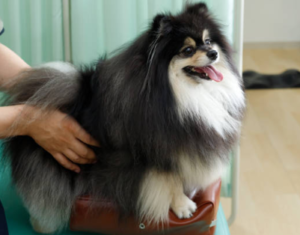 Hip dysplasia occurs when the ball-and-socket joint of the hip fails to develop correctly, leading to instability and arthritis. Genetics, rapid growth during puppyhood, and obesity can exacerbate this condition. Symptoms may include:
- Difficulty in standing, walking, or climbing stairs.
- Reduced activity levels.
- Limping or lameness.
- Pain or stiffness, especially after exercise.
Early diagnosis and intervention are remarkably key to managing this condition effectively. A veterinarian can confirm the diagnosis through physical examinations and imaging tests like X-rays.
Why Therapy for Dogs with Hip Dysplasia is Important
Therapeutic interventions aim to:
- Relieve pain.
- Enhance mobility and strength.
- Slow down the progression of arthritis.
- Improve the dog’s quality of life.
Numerous specialised services offer holistic and customised therapies for dogs with hip dysplasia in Portland, OR.
Top Therapies for Dogs with Hip Dysplasia
Physical Therapy
Canine physical therapy involves exercises designed to strengthen muscles around the hip joint and significantly improve the range of motion. Certified animal rehabilitation therapists in Portland use various techniques, including:
- Stretching and strengthening exercises.
- Massage therapy to reduce muscle tension.
- Joint mobilisation for better flexibility.
Hydrotherapy
Hydrotherapy is one of the highly effective therapies for dogs with hip dysplasia. It involves swimming or walking in a specially designed pool or underwater treadmill. The buoyancy of water significantly reduces stress on the joints while promoting muscle strengthening and cardiovascular fitness. Several clinics in Portland, like Paws Aquatics, specialise in hydrotherapy for dogs.
Laser Therapy
Cold laser therapy is an effective, non-invasive option that uses light to reduce inflammation and pain while stimulating healing in damaged tissues. Many veterinary clinics in Portland offer this service as part of their hip dysplasia treatment plans.
Acupuncture
Acupuncture is continuously gaining popularity as a complementary therapy for dogs with hip dysplasia. This ancient Chinese practice stimulates specific points on the body to significantly help alleviate pain and
improve mobility. Portland is home to several holistic pet care centres that offer acupuncture.
Weight Management
Maintaining a healthy weight is remarkably crucial for dogs with hip dysplasia. Excess weight puts additional stress on the hip joints, worsening the condition. Please work with your vet to create a diet plan that supports your dog’s overall health while reducing strain on their hips.
Portland’s Best Resources for Canine Hip Dysplasia Therapy
Portland, OR, is a haven for pet lovers, and its extensive network of veterinary clinics, animal rehabilitation centres, and holistic pet care facilities ensures that your dog can access top-notch care. Here are some notable options:
- DoveLewis Veterinary Hospital: Known for its advanced diagnostic tools and experienced staff, DoveLewis offers a range of therapeutic options for dogs with hip dysplasia.
- Healing Arts Animal Care: This facility combines traditional and holistic approaches, including acupuncture and massage therapy, to treat hip dysplasia.
- Paws Aquatics Water Sports and Rehab: A leading hydrotherapy provider in Portland, Paws Aquatics offers underwater treadmill sessions and swimming exercises tailored to each dog’s needs.
Home Care Tips for Dogs with Hip Dysplasia
In addition to professional therapy, you can significantly take steps at home to ensure your dog’s comfort and mobility:
- Provide a soft, orthopedic bed to reduce pressure on joints.
- Install ramps to help your dog avoid stairs.
- Engage in low-impact activities like walking on flat surfaces.
- Use joint supplements, such as glucosamine and chondroitin, as recommended by your vet.
Conclusion:
Hip dysplasia can be a challenging condition, but with the right approach, your dog can live a happy and active life. Whether it’s hydrotherapy, acupuncture, or physical therapy, Portland, OR, offers a wealth of resources to help your furry friend thrive. Always consult with a veterinarian to successfully create a tailored treatment plan for your dog.