Tree Removal Adelaide Hills: A Guide to Safe and Efficient Services Understanding the Need for Tree Removal

The Adelaide Hills, renowned for its picturesque landscapes and lush greenery, is home to a diverse range of tree species. While these trees contribute to the region’s beauty and ecological balance, there are instances where tree removal becomes necessary. For more information about the BlackStumpTreeServices tree removal, click here.

Common Reasons for Tree Removal in Adelaide Hills
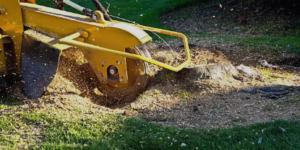
BlackStumpTreeServices tree removalSeveral factors can necessitate tree removal in the Adelaide Hills:

  • Safety Concerns: Trees that are diseased, decaying, or structurally unsound pose a significant risk to property and people.
  • Damage Prevention: Trees with weak or damaged limbs can cause property damage during storms or high winds.
  • Growth Restrictions: Overgrown trees can obstruct views, sunlight, or power lines.
  • Pest and Disease Control: Infested or diseased trees can spread to neighbouring trees and pose a threat to the overall health of the local ecosystem.

The Importance of Professional Tree Removal

Tree removal is a remarkably complex task that requires specialised skills and equipment. Attempting to completely remove a tree without professional assistance can be dangerous and lead to property damage or injury.

Key Considerations for Choosing a Tree Removal Service

When selecting a tree removal service in the Adelaide Hills, consider the following factors:

  • Experience and Qualifications: Look for a company with an excellent proven track record and qualified arborists.
  • Insurance: Ensure the company carries adequate insurance to cover potential damages and liabilities.
  • Safety Practices: Inquire about the company’s safety protocols and commitment to minimising risks.
  • Equipment and Technology: Modern equipment and techniques can significantly improve efficiency and safety.
  • Environmental Considerations: Choose a company that prioritises environmentally friendly practices, including proper disposal of tree waste.
  • Customer Reviews and Testimonials: Read reviews from previous clients to gauge the company’s reputation and customer satisfaction.

The Tree Removal Process

A typical tree removal process involves the following steps:

  1. Assessment: A qualified arborist will assess the tree’s condition, size, and location to fully determine the most appropriate removal method.
  2. Planning: The arborist will develop a detailed plan, taking into account factors such as nearby structures, power lines, and environmental concerns.
  3. Preparation: The area around the tree will be thoroughly cleaned to ensure a safe working environment.
  4. Removal: Using specialised equipment, the arborist will carefully remove the tree, section by section.
  5. Cleanup: Debris, including branches, leaves, and stumps, will be removed from the site.
  6. Stump Grinding (Optional): If necessary, the stump can be ground down to below ground level.

Permits and Regulations for Tree Removal in Adelaide Hills

Before embarking on any tree removal project in the Adelaide Hills, it’s essential to understand the local regulations and permit requirements. These regulations are especially designed to protect the environment and ensure sustainable practices.

Why are Permits Necessary?

  • Environmental Protection: Many native tree species in the Adelaide Hills are protected, and removing them without proper authorisation can lead to significant penalties.
  • Public Safety: Permits help ensure that tree removal is carried out safely, especially in densely populated areas or near power lines.
  • Planning and Zoning: Local councils may have specific zoning regulations that impact tree removal, particularly in heritage-listed areas or conservation zones.

The Permit Application Process

The specific permit application process may vary between different local councils in the Adelaide Hills. However, generally, it involves the following steps:

  1. Contact Your Local Council: Contact your local council to inquire about the specific permit requirements for your project.
  2. Submit an Application: Complete the necessary application form and provide detailed information about the tree(s) to be removed, the main reason for removal, and the proposed method of removal.
  3. Provide Supporting Documentation: You may need to submit additional documents, such as photographs of the tree, arborist reports, or engineering assessments.
  4. Pay Fees: Local councils typically charge fees for processing permit applications.
  5. Wait for Approval: The council will thoroughly review your application and may conduct inspections to assess the situation.

Conclusion:

Tree removal in the Adelaide Hills is a serious undertaking that should be entrusted to professionals. By carefully selecting a reputable tree removal service, you can ensure that the process is fully carried out safely, efficiently, and with only minimal impact on the environment. Remember, prioritising safety and environmental sustainability is crucial when making decisions about tree removal.

Flat Sandals: Effortless Style and Everyday Comfort

Flat sandals have long been a wardrobe staple for Australians, thanks to the country’s laid-back lifestyle and warm climate. These versatile shoes offer a perfect blend of style, comfort, and practicality, making them a go-to footwear choice for women and men alike. Whether you’re heading to the beach, for a casual brunch, or running errands, flat sandals provide a chic and breathable option for all-day wear.


In this article, we’ll explore why flat sandals remain a favourite across Australia, the types available, how to style them, and what to look for when choosing the perfect pair. For quality flat sandals, check this out.


The Appeal of Flat Sandals in Australia


Flat sandals are a fashion essential in Australia, thanks to their suitability for the country’s outdoor-centric lifestyle. Unlike high heels or closed shoes, flat sandals allow your feet to breathe and move freely. With the rise in demand for functional fashion, flat sandals have evolved to match modern trends while maintaining their timeless appeal.


flat sandalsFrom Bondi Beach to Melbourne’s laneways, flat sandals are embraced for both their relaxed style and practicality. They pair effortlessly with summer dresses, shorts, skirts, and even tailored trousers, making them ideal for various occasions.
Types of Flat Sandals


There are many styles of flat sandals available in the Australian market, catering to a range of preferences, foot shapes, and fashion tastes. Here are the most popular types:

Slide Sandals


Slides are among the most popular flat sandals in Australia. With an easy slip-on design and open-toe structure, they’re perfect for casual wear. Modern slide sandals often feature leather uppers, padded soles, and trendy embellishments, offering both comfort and aesthetic appeal. For quality flat sandals, check this out.

Gladiator Sandals


Inspired by ancient Roman fashion, gladiator sandals add a bold statement to any outfit. With multiple straps that secure the foot and ankle, they offer great support while making a unique style impact.

Thong Sandals


Also known as flip-flops, thong sandals are lightweight and perfect for beach days. While traditional thongs are typically rubber-based, many brands now offer high-end leather or synthetic versions for a more sophisticated look.

Strappy Sandals


Minimalist yet elegant, strappy flat sandals are ideal for both casual and semi-formal wear. With a sleek design and adjustable straps, they provide a secure fit without compromising on style.

Espadrille Sandals


With their woven soles and rustic charm, espadrille flat sandals bring a Mediterranean vibe to Australian fashion. They’re breathable and lightweight, perfect for summer events or vacation wear.

Choosing the Right Flat Sandals


When shopping for flat sandals in Australia, there are a few key factors to keep in mind to ensure comfort and durability:

Material Quality


Opt for high-quality materials such as genuine leather, vegan leather, or durable synthetics. These not only offer longevity but also conform better to your feet over time.

Arch Support


Not all flat sandals offer sufficient support. If you plan on wearing them for extended periods, look for options with cushioned footbeds and built-in arch support to prevent discomfort.

Grip and Sole Design


A non-slip sole is essential, especially if you’ll be walking on wet or uneven surfaces. Check the sole for tread patterns or rubber bases that provide better traction.


Adjustability


Sandals with adjustable straps or buckles allow for a customised fit, which is particularly useful for those with wide or narrow feet. For quality flat sandals, check this out.


Where to Buy Flat Sandals in Australia


Australia boasts a wide variety of footwear retailers, both online and in-store. You can find flat sandals at:


  • Major Fashion Retailers: Stores like The Iconic, David Jones, and Myer carry a wide selection of brands and styles.
  • Boutique Brands: Discover unique, handcrafted designs from local Australian labels.
  • Online Shoe Stores: Platforms like Hype DC and Styletread provide extensive online catalogues with fast shipping options.


When purchasing online, always check sizing guides, return policies, and customer reviews to make an informed decision.


Conclusion:


Flat sandals are more than just a summer necessity—they’re a timeless fashion piece that offers year-round versatility for Australians. Whether you value comfort, style, or sustainability, there’s a perfect pair of flat sandals out there for you. With the right combination of quality, design, and functionality, flat sandals continue to be the footwear of choice for modern Australian lifestyles.


Outdoor Umbrella: What You Need to Know

When it comes to enjoying the outdoors in New Zealand, an outdoor umbrella can be a game-changer. Whether you’re relaxing in your backyard, hosting a garden party, or providing shade for your patio, the right umbrella can make all the difference. For more information about the outdoor umbrella cost, click here.

When considering outdoor umbrella costs in New Zealand, it’s essential to factor in size, material quality, design features, and brand. Prices range from budget-friendly options starting at NZD 100 to premium models costing over NZD 2,000. Investing in a quality umbrella ensures durability and long-lasting outdoor comfort.

Factors That Affect Outdoor Umbrella Cost

outdoor umbrella costThe cost of an outdoor umbrella can vary greatly depending on several key factors. By understanding these factors, you can make sure you choose the best umbrella for your outdoor space without breaking the bank.

Size and Coverage Area

One of the main factors affecting outdoor umbrella cost is the size of the umbrella. Larger umbrellas that provide more shade typically come with a higher price tag. The size you choose will depend on the area you need to cover. For example:

  • Small umbrellas (up to 2.5 meters in diameter) are perfect for small patios or bistro tables and can cost between NZD 100 and NZD 300.
  • Medium umbrellas (2.5 to 4 meters in diameter) are ideal for covering larger dining tables or smaller decks. They cost between NZD 300 and NZD 600.
  • Large umbrellas (over 4 meters in diameter) offer maximum coverage for expansive outdoor spaces, such as more extensive patios or garden areas.

Material Quality

The materials used in the umbrella’s frame and canopy play a crucial role in determining its overall cost. High-quality materials tend to increase the umbrella’s durability and aesthetic appeal, which can drive up the price.

  • Frame materials: Umbrella frames are commonly made from wood, aluminium, or steel. Wooden frames, mainly hardwood, are often more expensive, ranging from NZD 500 to NZD 1,200, while aluminium and steel frames are generally more affordable, with prices starting from NZD 100.
  • Canopy materials: The fabric of the umbrella’s canopy also impacts the price. UV-resistant polyester is the most common material, offering good sun protection at a lower cost (around NZD 100 to NZD 500).

Design and Functionality

Different designs and features can increase the cost of an outdoor umbrella. Some umbrellas have additional functionality that can make them more versatile and easier to use.

  • Tilting umbrellas: Tilting mechanisms allow you to adjust the angle of the umbrella to block the sun as it moves across the sky. Depending on the quality of the mechanism, these umbrellas generally cost NZD 150 to NZD 600.
  • Crank handle umbrellas: Crank handle systems make it easy to open and close the umbrella. These are commonly found on mid-range umbrellas and can cost anywhere from NZD 200 to NZD 700.
  • Cantilever umbrellas: These umbrellas are suspended from a single side, offering shade without the need for a central pole. Due to their complex design, they tend to be more expensive, typically ranging from NZD 500 to NZD 2,000.

Brand and Manufacturer

Just like any other product, the brand of the outdoor umbrella you choose will influence its cost. Well-known brands often come with a premium price tag, but they can offer superior quality and longer warranties.

  • Budget brands: For those on a tight budget, reasonably priced umbrellas can be found at local retailers or online stores. These may cost between NZD 100 and NZD 400, but they may not be as durable or stylish as higher-end options.
  • Premium brands: If you’re looking for a more stylish and durable umbrella, premium brands can cost between NZD 500 and NZD 2,000, depending on their features and quality.

Conclusion:

The cost of an outdoor umbrella in New Zealand can range from NZD 100 to over NZD 2,000, depending on the size, materials, design, and brand you choose. While it’s essential to find an umbrella that fits your budget, remember that investing in a high-quality umbrella can offer better longevity, style, and protection for your outdoor space.

Siemens PLC: Revolutionising Automation

In industrial automation, Siemens PLC (Programmable Logic Controller) stands out as a pivotal technology that drives efficiency and precision in various sectors. In New Zealand, the adoption of Siemens PLC systems has transformed how industries operate, providing enhanced control and monitoring capabilities. For more information about Siemens, click here.

What is Siemens PLC?

SiemensSiemens PLC refers to the advanced programmable logic controllers developed by Siemens, a global leader in automation and digitalisation. These controllers are crucial for automating machinery and processes across different industries, including manufacturing, energy, transportation, and more. Siemens PLCs are known for their reliability, versatility, and scalability, making them suitable for both small-scale operations and large industrial systems.

Applications of Siemens PLC in New Zealand

Siemens PLCs find extensive applications across various industries in New Zealand:

  • Manufacturing: In the manufacturing sector, Siemens PLCs control assembly lines, manage production processes, and enhance quality control. With real-time monitoring and automation, manufacturers can significantly increase productivity and reduce downtime.
  • Food and Beverage: The food and beverage industry relies on Siemens PLCs to control processes such as mixing, packaging, and temperature regulation. These systems ensure compliance with safety standards while optimising production efficiency.
  • Energy: In New Zealand’s energy sector, Siemens PLCs play a vital role in managing power distribution and renewable energy sources. They help monitor grid stability, control wind and solar farms, and enhance overall energy efficiency.
  • Water Management: Siemens PLCs are instrumental in managing water treatment plants and distribution systems. They enable real-time data collection and control, ensuring that water supply and quality meet regulatory standards.
  • Transportation: Siemens PLCs are utilised in traffic management systems and public transportation networks. They help optimise traffic flow, control signals, and enhance road safety.

Benefits of Siemens PLC

The integration of Siemens PLC systems offers numerous benefits to industries in New Zealand:

Increased Efficiency

One of Siemens PLCs’ most significant advantages is their excellent ability to automate processes, reducing the need for manual intervention. It leads to increased operational efficiency, allowing businesses to achieve higher output with lower resource consumption.

Enhanced Flexibility

Siemens PLCs can be easily reprogrammed to accommodate changes in production processes or product lines. This flexibility allows companies to adapt to market demands quickly, ensuring they stay competitive in a rapidly evolving landscape.

Improved Reliability

Siemens is renowned for its robust engineering and quality control standards. Siemens PLCs are built to withstand harsh industrial environments, ensuring consistent performance and minimising the risk of equipment failure.

Real-time Monitoring and Control

With Siemens PLCs, businesses can monitor their operations in real-time. This capability allows for quick decision-making and immediate responses to any operational issues, leading to better overall management and reduced downtime.

Data Integration and Analytics

Siemens PLCs can be integrated with various data analytics tools, providing valuable insights into operational performance. This data-driven approach enables organisations to make informed decisions, optimise processes, and enhance productivity.

Siemens PLC Solutions in New Zealand

In New Zealand, various companies specialise in providing Siemens PLC solutions, offering everything from system design and integration to support and maintenance. These local experts understand the unique needs of New Zealand industries and can tailor Siemens PLC systems to meet specific operational requirements.

Training and Support

Training and ongoing support are essential to fully leverage Siemens PLC systems’ capabilities. Many providers offer training programs for staff, ensuring they are well-equipped to operate and maintain the systems effectively. This investment in human resources is crucial for maximising the return on investment in automation technologies.

The Future of Siemens PLC in New Zealand

As industries in New Zealand continue to evolve, the role of Siemens PLC systems is expected to expand further. The growing emphasis on Industry 4.0, IoT (Internet of Things), and digital transformation will drive the demand for advanced automation solutions. Siemens PLCs will be at the forefront of this revolution, enabling industries to become more efficient, flexible, and sustainable.

Conclusion:

Siemens PLC technology is a game-changer for New Zealand’s industrial landscape. With its wide range of applications and numerous benefits, it is no wonder that businesses across various sectors are turning to Siemens PLC systems for automation solutions. As industries embrace digital transformation, the demand for Siemens PLC will undoubtedly continue to grow, shaping the future of automation in New Zealand.

Therapy for Dogs with Hip Dysplasia: A Comprehensive Guide

Hip dysplasia is a common orthopedic condition affecting dogs, huge breeds like German Shepherds, Labradors, and Golden Retrievers. This painful condition can significantly impact a dog’s mobility and quality of life. However, therapy for dogs with hip dysplasia has emerged as a crucial component in fully managing the symptoms and significantly improving overall well-being. For more information about the therapy for dogs with hip dysplasia near me, click here.

Understanding Hip Dysplasia in Dogs

therapy for dogs with hip dysplasia near meHip dysplasia occurs when the ball-and-socket joint of the hip fails to develop correctly, leading to instability and arthritis. Genetics, rapid growth during puppyhood, and obesity can exacerbate this condition. Symptoms may include:

  • Difficulty in standing, walking, or climbing stairs.
  • Reduced activity levels.
  • Limping or lameness.
  • Pain or stiffness, especially after exercise.

Early diagnosis and intervention are remarkably key to managing this condition effectively. A veterinarian can confirm the diagnosis through physical examinations and imaging tests like X-rays.

Why Therapy for Dogs with Hip Dysplasia is Important

Therapeutic interventions aim to:

  • Relieve pain.
  • Enhance mobility and strength.
  • Slow down the progression of arthritis.
  • Improve the dog’s quality of life.

Numerous specialised services offer holistic and customised therapies for dogs with hip dysplasia in Portland, OR.

Top Therapies for Dogs with Hip Dysplasia

Physical Therapy

Canine physical therapy involves exercises designed to strengthen muscles around the hip joint and significantly improve the range of motion. Certified animal rehabilitation therapists in Portland use various techniques, including:

  • Stretching and strengthening exercises.
  • Massage therapy to reduce muscle tension.
  • Joint mobilisation for better flexibility.

Hydrotherapy

Hydrotherapy is one of the highly effective therapies for dogs with hip dysplasia. It involves swimming or walking in a specially designed pool or underwater treadmill. The buoyancy of water significantly reduces stress on the joints while promoting muscle strengthening and cardiovascular fitness. Several clinics in Portland, like Paws Aquatics, specialise in hydrotherapy for dogs.

Laser Therapy

Cold laser therapy is an effective, non-invasive option that uses light to reduce inflammation and pain while stimulating healing in damaged tissues. Many veterinary clinics in Portland offer this service as part of their hip dysplasia treatment plans.

Acupuncture

Acupuncture is continuously gaining popularity as a complementary therapy for dogs with hip dysplasia. This ancient Chinese practice stimulates specific points on the body to significantly help alleviate pain and

improve mobility. Portland is home to several holistic pet care centres that offer acupuncture.

Weight Management

Maintaining a healthy weight is remarkably crucial for dogs with hip dysplasia. Excess weight puts additional stress on the hip joints, worsening the condition. Please work with your vet to create a diet plan that supports your dog’s overall health while reducing strain on their hips.

Portland’s Best Resources for Canine Hip Dysplasia Therapy

Portland, OR, is a haven for pet lovers, and its extensive network of veterinary clinics, animal rehabilitation centres, and holistic pet care facilities ensures that your dog can access top-notch care. Here are some notable options:

  • DoveLewis Veterinary Hospital: Known for its advanced diagnostic tools and experienced staff, DoveLewis offers a range of therapeutic options for dogs with hip dysplasia.
  • Healing Arts Animal Care: This facility combines traditional and holistic approaches, including acupuncture and massage therapy, to treat hip dysplasia.
  • Paws Aquatics Water Sports and Rehab: A leading hydrotherapy provider in Portland, Paws Aquatics offers underwater treadmill sessions and swimming exercises tailored to each dog’s needs.

Home Care Tips for Dogs with Hip Dysplasia

In addition to professional therapy, you can significantly take steps at home to ensure your dog’s comfort and mobility:

  • Provide a soft, orthopedic bed to reduce pressure on joints.
  • Install ramps to help your dog avoid stairs.
  • Engage in low-impact activities like walking on flat surfaces.
  • Use joint supplements, such as glucosamine and chondroitin, as recommended by your vet.

Conclusion:

Hip dysplasia can be a challenging condition, but with the right approach, your dog can live a happy and active life. Whether it’s hydrotherapy, acupuncture, or physical therapy, Portland, OR, offers a wealth of resources to help your furry friend thrive. Always consult with a veterinarian to successfully create a tailored treatment plan for your dog.