
Lawn Mowing Adelaide: Why Professional Lawn Mowing Services Are Worth the Investment

A well-maintained lawn enhances the curb appeal of any property in Adelaide, creating a welcoming environment and boosting its value. However, keeping a lawn in top condition requires time, skill, and the right equipment. It is where professional lawn mowing services come in. Investing in these services can significantly save you time, reduce stress, and ensure your lawn remains healthy and attractive throughout the year.

Expert Care and Maintenance

lawn mowingProfessional lawn mowing services provide expert care tailored to your lawn’s unique needs. Lawn care specialists understand grass types, soil conditions, and seasonal changes. They know the optimal mowing height and frequency required for different grass varieties, ensuring a lush, green lawn year-round.

By hiring professionals, you greatly benefit from their expertise in lawn maintenance practices such as:

  • Correct Mowing Techniques: Proper mowing prevents issues like uneven growth, scalping, and damage to the grass.
  • Regular Edging and Trimming: This keeps the lawn neat and prevents overgrowth along walkways and garden beds.
  • Seasonal Adjustments: Professionals adjust mowing schedules based on seasonal growth patterns, ensuring your lawn stays healthy through changing weather.

Time-Saving Convenience

Maintaining a lawn significantly requires time and effort, especially for larger properties. Professional lawn mowing services allow homeowners to focus on other important tasks or significantly enjoy leisure time. The service providers handle all aspects of lawn care, from mowing to clean-up, freeing you from weekend yard work.

Access to Professional Equipment

Lawn care professionals use commercial-grade equipment that delivers superior results. These machines are regularly maintained and designed for efficient mowing, which reduces the time required to complete the job. By hiring professionals, you avoid the costs of purchasing, storing, and maintaining lawn care equipment.

Additionally, professional services often use specialised tools such as:

  • Aerators for improved soil health
  • Edgers and trimmers for precise finishing
  • Mulching mowers that enhance lawn nutrition by recycling grass clippings

Consistent Lawn Health

Regular lawn mowing is remarkably essential for maintaining a healthy lawn. Inconsistent mowing can lead to patchy growth, weed infestations, and disease. Professional services follow a set schedule, ensuring your lawn receives consistent care. It promotes even grass growth, minimises weed problems, and keeps your lawn looking its best.

Prevention of Lawn Diseases and Pests

A neglected lawn is prone to diseases, pests, and fungal infections. Lawn care specialists can spot early signs of trouble and take corrective action. They use environmentally friendly treatments to manage pests and prevent diseases, helping your lawn stay vibrant and resilient.

Increased Property Value

A well-maintained lawn significantly boosts a property’s curb appeal and market value. If you plan to sell your home, professional lawn care can make a lasting first impression on potential buyers. A lush, healthy lawn signals that the property has been well cared for, potentially leading to faster sales and better offers.

Environmental Benefits

Healthy lawns contribute to a cleaner environment by reducing soil erosion, filtering pollutants, and producing oxygen. Professional lawn mowing services often incorporate eco-friendly practices such as mulching grass clippings and using fuel-efficient equipment, minimising the lawn’s environmental footprint.

Cost-Effective in the Long Run

While hiring a professional lawn mowing service involves upfront costs, it can be more cost-effective in the long run. Consider the expenses associated with buying and maintaining equipment, purchasing lawn care products, and repairing lawn damage due to improper care. Professional services eliminate these hidden costs, providing better value over time.

Customised Lawn Care Plans

Every lawn has unique needs significantly based on its size, grass type, and local climate. Professional lawn mowing services create personalised care plans that address these specific requirements. It ensures optimal growth and minimises issues such as soil compaction, pest infestations, and water runoff.

Additionally, professionals can recommend supplementary services like fertilisation, aeration, and weed control, further enhancing your lawn’s overall health and appearance.

Peace of Mind and Stress Reduction

Knowing that your lawn is in expert hands provides peace of mind. You can relax, enjoy your outdoor spaces, and trust that your lawn will always look its best. This stress-free experience is one of the most valuable aspects of hiring professional lawn mowing services.

Conclusion

Investing in professional lawn mowing services offers numerous benefits, including expert care, time savings, and improved property aesthetics. These services ensure consistent lawn health, prevent costly damage and enhance your property’s curb appeal. For homeowners in Adelaide seeking a hassle-free way to maintain a beautiful, healthy lawn, professional lawn mowing services are undoubtedly worth the investment.

Landscapers Adelaide: Transform Your Outdoors with Professional Landscapers

Adelaide, the capital city of South Australia, is known for its stunning landscapes, Mediterranean climate, and vibrant outdoor lifestyle. Whether you’re a homeowner looking to refresh your garden or a business aiming to create an inviting exterior, landscapers in Adelaide offer the expertise needed to bring your vision to life. For professional landscapers, check this out.

The Role of Landscapers in Adelaide

landscapersLandscaping involves more than just planting trees or mowing lawns. It’s an art form that integrates natural elements with creative design to enhance the overall appeal of outdoor spaces. Adelaide’s landscapers specialise in a variety of services, including:
Garden Design and Planning

Professional landscapers understand Adelaide’s unique climate and soil conditions, ensuring your garden thrives year-round. They plan layouts, select appropriate plants, and create cohesive designs that align with your style and preferences.

Hardscaping

Hardscaping refers to non-living elements like pathways, retaining walls, and patios. Adelaide landscapers use materials like stone, concrete, and timber to create durable, eye-catching structures that complement the surrounding greenery.

Irrigation Systems

Water conservation is crucial in Adelaide’s dry climate. Expert landscapers install efficient irrigation systems to keep your garden healthy while minimising water wastage.

Garden Maintenance

Landscapers in Adelaide offer ongoing garden care, including pruning, mulching, and pest control, to ensure your outdoor space remains in pristine condition.

Sustainable Landscaping

Adelaide’s landscapers embrace eco-friendly practices, such as planting native species, using recycled materials, and incorporating water-wise garden designs. These sustainable techniques reduce environmental impact while enhancing your property’s value.

Why Hire Professional Landscapers in Adelaide?

While DIY landscaping may seem appealing, hiring professional landscapers comes with numerous benefits:

Expertise and Creativity

Adelaide’s professional landscapers possess the skills and knowledge to design and execute complex landscaping projects. Their creativity ensures your garden stands out while meeting your practical needs.

Saves Time and Effort

Landscaping can be time-consuming and physically demanding. By hiring professionals, you save valuable time and avoid the hassle of managing tools, plants, and materials.

Increases Property Value

A beautifully landscaped property can significantly boost curb appeal and market value. Landscapers in Adelaide create designs that not only look stunning but also add long-term value to your home or business.

Local Knowledge

Adelaide’s climate and environment are unique. Local landscapers understand these conditions and can recommend plants and materials that thrive in South Australia.

Access to Quality Materials

Professional landscapers have access to high-quality materials and plants, ensuring the longevity and durability of your outdoor space.

Key Landscaping Trends in Adelaide

Adelaide’s landscapers stay ahead of the curve by incorporating the latest trends into their designs. Some popular landscaping trends in the region include:

  • Native Plant Gardens: Incorporating drought-resistant native plants like kangaroo paw and eucalyptus ensures low-maintenance gardens that align with Adelaide’s ecosystem.
  • Outdoor Living Spaces: Adelaide residents love outdoor entertaining. Landscapers often create alfresco areas, complete with pergolas, outdoor kitchens, and cozy fire pits.
  • Vertical Gardens: Perfect for smaller spaces, vertical gardens add greenery to walls and fences, creating a modern and sustainable look.
  • Sustainable Landscaping: Water-efficient designs, permeable paving, and solar-powered lighting are increasingly popular among eco-conscious homeowners.

Choosing the Right Landscaper in Adelaide

Finding the right landscaper is essential to achieving your outdoor goals. Here are some tips to help you choose the best professional for your project:

  • Research and Reviews: Look for reputable landscapers in Adelaide with positive customer reviews and a strong portfolio.
  • Ask for Quotes: Compare quotes from multiple landscapers to find one that fits your budget without compromising quality.
  • Check Credentials: Ensure the landscaper is licensed, insured, and experienced in handling projects similar to yours.
  • Communication: Choose a landscaper who listens to your ideas, understands your needs, and communicates effectively.
  • Specialisation: If you have a specific vision, such as sustainable landscaping or hardscaping, find a landscaper with expertise in that area.

Conclusion:

Landscaping is not just about aesthetics; it’s about creating an environment that improves your quality of life. By hiring skilled landscapers in Adelaide, you can turn your outdoor area into a masterpiece that reflects your personality and meets your needs. Take the first step today and let Adelaide’s landscaping professionals bring your vision to life.

Tree Removal Adelaide Hills: A Guide to Safe and Efficient Services Understanding the Need for Tree Removal

The Adelaide Hills, renowned for its picturesque landscapes and lush greenery, is home to a diverse range of tree species. While these trees contribute to the region’s beauty and ecological balance, there are instances where tree removal becomes necessary. For more information about the BlackStumpTreeServices tree removal, click here.

Common Reasons for Tree Removal in Adelaide Hills

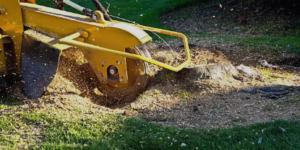
BlackStumpTreeServices tree removalSeveral factors can necessitate tree removal in the Adelaide Hills:

  • Safety Concerns: Trees that are diseased, decaying, or structurally unsound pose a significant risk to property and people.
  • Damage Prevention: Trees with weak or damaged limbs can cause property damage during storms or high winds.
  • Growth Restrictions: Overgrown trees can obstruct views, sunlight, or power lines.
  • Pest and Disease Control: Infested or diseased trees can spread to neighbouring trees and pose a threat to the overall health of the local ecosystem.

The Importance of Professional Tree Removal

Tree removal is a remarkably complex task that requires specialised skills and equipment. Attempting to completely remove a tree without professional assistance can be dangerous and lead to property damage or injury.

Key Considerations for Choosing a Tree Removal Service

When selecting a tree removal service in the Adelaide Hills, consider the following factors:

  • Experience and Qualifications: Look for a company with an excellent proven track record and qualified arborists.
  • Insurance: Ensure the company carries adequate insurance to cover potential damages and liabilities.
  • Safety Practices: Inquire about the company’s safety protocols and commitment to minimising risks.
  • Equipment and Technology: Modern equipment and techniques can significantly improve efficiency and safety.
  • Environmental Considerations: Choose a company that prioritises environmentally friendly practices, including proper disposal of tree waste.
  • Customer Reviews and Testimonials: Read reviews from previous clients to gauge the company’s reputation and customer satisfaction.

The Tree Removal Process

A typical tree removal process involves the following steps:

  1. Assessment: A qualified arborist will assess the tree’s condition, size, and location to fully determine the most appropriate removal method.
  2. Planning: The arborist will develop a detailed plan, taking into account factors such as nearby structures, power lines, and environmental concerns.
  3. Preparation: The area around the tree will be thoroughly cleaned to ensure a safe working environment.
  4. Removal: Using specialised equipment, the arborist will carefully remove the tree, section by section.
  5. Cleanup: Debris, including branches, leaves, and stumps, will be removed from the site.
  6. Stump Grinding (Optional): If necessary, the stump can be ground down to below ground level.

Permits and Regulations for Tree Removal in Adelaide Hills

Before embarking on any tree removal project in the Adelaide Hills, it’s essential to understand the local regulations and permit requirements. These regulations are especially designed to protect the environment and ensure sustainable practices.

Why are Permits Necessary?

  • Environmental Protection: Many native tree species in the Adelaide Hills are protected, and removing them without proper authorisation can lead to significant penalties.
  • Public Safety: Permits help ensure that tree removal is carried out safely, especially in densely populated areas or near power lines.
  • Planning and Zoning: Local councils may have specific zoning regulations that impact tree removal, particularly in heritage-listed areas or conservation zones.

The Permit Application Process

The specific permit application process may vary between different local councils in the Adelaide Hills. However, generally, it involves the following steps:

  1. Contact Your Local Council: Contact your local council to inquire about the specific permit requirements for your project.
  2. Submit an Application: Complete the necessary application form and provide detailed information about the tree(s) to be removed, the main reason for removal, and the proposed method of removal.
  3. Provide Supporting Documentation: You may need to submit additional documents, such as photographs of the tree, arborist reports, or engineering assessments.
  4. Pay Fees: Local councils typically charge fees for processing permit applications.
  5. Wait for Approval: The council will thoroughly review your application and may conduct inspections to assess the situation.

Conclusion:

Tree removal in the Adelaide Hills is a serious undertaking that should be entrusted to professionals. By carefully selecting a reputable tree removal service, you can ensure that the process is fully carried out safely, efficiently, and with only minimal impact on the environment. Remember, prioritising safety and environmental sustainability is crucial when making decisions about tree removal.

Flat Sandals: Effortless Style and Everyday Comfort

Flat sandals have long been a wardrobe staple for Australians, thanks to the country’s laid-back lifestyle and warm climate. These versatile shoes offer a perfect blend of style, comfort, and practicality, making them a go-to footwear choice for women and men alike. Whether you’re heading to the beach, for a casual brunch, or running errands, flat sandals provide a chic and breathable option for all-day wear.


In this article, we’ll explore why flat sandals remain a favourite across Australia, the types available, how to style them, and what to look for when choosing the perfect pair. For quality flat sandals, check this out.


The Appeal of Flat Sandals in Australia


Flat sandals are a fashion essential in Australia, thanks to their suitability for the country’s outdoor-centric lifestyle. Unlike high heels or closed shoes, flat sandals allow your feet to breathe and move freely. With the rise in demand for functional fashion, flat sandals have evolved to match modern trends while maintaining their timeless appeal.


flat sandalsFrom Bondi Beach to Melbourne’s laneways, flat sandals are embraced for both their relaxed style and practicality. They pair effortlessly with summer dresses, shorts, skirts, and even tailored trousers, making them ideal for various occasions.
Types of Flat Sandals


There are many styles of flat sandals available in the Australian market, catering to a range of preferences, foot shapes, and fashion tastes. Here are the most popular types:

Slide Sandals


Slides are among the most popular flat sandals in Australia. With an easy slip-on design and open-toe structure, they’re perfect for casual wear. Modern slide sandals often feature leather uppers, padded soles, and trendy embellishments, offering both comfort and aesthetic appeal. For quality flat sandals, check this out.

Gladiator Sandals


Inspired by ancient Roman fashion, gladiator sandals add a bold statement to any outfit. With multiple straps that secure the foot and ankle, they offer great support while making a unique style impact.

Thong Sandals


Also known as flip-flops, thong sandals are lightweight and perfect for beach days. While traditional thongs are typically rubber-based, many brands now offer high-end leather or synthetic versions for a more sophisticated look.

Strappy Sandals


Minimalist yet elegant, strappy flat sandals are ideal for both casual and semi-formal wear. With a sleek design and adjustable straps, they provide a secure fit without compromising on style.

Espadrille Sandals


With their woven soles and rustic charm, espadrille flat sandals bring a Mediterranean vibe to Australian fashion. They’re breathable and lightweight, perfect for summer events or vacation wear.

Choosing the Right Flat Sandals


When shopping for flat sandals in Australia, there are a few key factors to keep in mind to ensure comfort and durability:

Material Quality


Opt for high-quality materials such as genuine leather, vegan leather, or durable synthetics. These not only offer longevity but also conform better to your feet over time.

Arch Support


Not all flat sandals offer sufficient support. If you plan on wearing them for extended periods, look for options with cushioned footbeds and built-in arch support to prevent discomfort.

Grip and Sole Design


A non-slip sole is essential, especially if you’ll be walking on wet or uneven surfaces. Check the sole for tread patterns or rubber bases that provide better traction.


Adjustability


Sandals with adjustable straps or buckles allow for a customised fit, which is particularly useful for those with wide or narrow feet. For quality flat sandals, check this out.


Where to Buy Flat Sandals in Australia


Australia boasts a wide variety of footwear retailers, both online and in-store. You can find flat sandals at:


  • Major Fashion Retailers: Stores like The Iconic, David Jones, and Myer carry a wide selection of brands and styles.
  • Boutique Brands: Discover unique, handcrafted designs from local Australian labels.
  • Online Shoe Stores: Platforms like Hype DC and Styletread provide extensive online catalogues with fast shipping options.


When purchasing online, always check sizing guides, return policies, and customer reviews to make an informed decision.


Conclusion:


Flat sandals are more than just a summer necessity—they’re a timeless fashion piece that offers year-round versatility for Australians. Whether you value comfort, style, or sustainability, there’s a perfect pair of flat sandals out there for you. With the right combination of quality, design, and functionality, flat sandals continue to be the footwear of choice for modern Australian lifestyles.


Outdoor Umbrella: What You Need to Know

When it comes to enjoying the outdoors in New Zealand, an outdoor umbrella can be a game-changer. Whether you’re relaxing in your backyard, hosting a garden party, or providing shade for your patio, the right umbrella can make all the difference. For more information about the outdoor umbrella cost, click here.

When considering outdoor umbrella costs in New Zealand, it’s essential to factor in size, material quality, design features, and brand. Prices range from budget-friendly options starting at NZD 100 to premium models costing over NZD 2,000. Investing in a quality umbrella ensures durability and long-lasting outdoor comfort.

Factors That Affect Outdoor Umbrella Cost

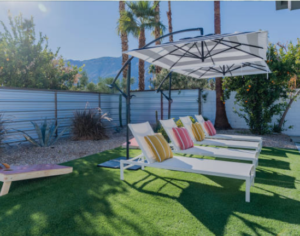
outdoor umbrella costThe cost of an outdoor umbrella can vary greatly depending on several key factors. By understanding these factors, you can make sure you choose the best umbrella for your outdoor space without breaking the bank.

Size and Coverage Area

One of the main factors affecting outdoor umbrella cost is the size of the umbrella. Larger umbrellas that provide more shade typically come with a higher price tag. The size you choose will depend on the area you need to cover. For example:

  • Small umbrellas (up to 2.5 meters in diameter) are perfect for small patios or bistro tables and can cost between NZD 100 and NZD 300.
  • Medium umbrellas (2.5 to 4 meters in diameter) are ideal for covering larger dining tables or smaller decks. They cost between NZD 300 and NZD 600.
  • Large umbrellas (over 4 meters in diameter) offer maximum coverage for expansive outdoor spaces, such as more extensive patios or garden areas.

Material Quality

The materials used in the umbrella’s frame and canopy play a crucial role in determining its overall cost. High-quality materials tend to increase the umbrella’s durability and aesthetic appeal, which can drive up the price.

  • Frame materials: Umbrella frames are commonly made from wood, aluminium, or steel. Wooden frames, mainly hardwood, are often more expensive, ranging from NZD 500 to NZD 1,200, while aluminium and steel frames are generally more affordable, with prices starting from NZD 100.
  • Canopy materials: The fabric of the umbrella’s canopy also impacts the price. UV-resistant polyester is the most common material, offering good sun protection at a lower cost (around NZD 100 to NZD 500).

Design and Functionality

Different designs and features can increase the cost of an outdoor umbrella. Some umbrellas have additional functionality that can make them more versatile and easier to use.

  • Tilting umbrellas: Tilting mechanisms allow you to adjust the angle of the umbrella to block the sun as it moves across the sky. Depending on the quality of the mechanism, these umbrellas generally cost NZD 150 to NZD 600.
  • Crank handle umbrellas: Crank handle systems make it easy to open and close the umbrella. These are commonly found on mid-range umbrellas and can cost anywhere from NZD 200 to NZD 700.
  • Cantilever umbrellas: These umbrellas are suspended from a single side, offering shade without the need for a central pole. Due to their complex design, they tend to be more expensive, typically ranging from NZD 500 to NZD 2,000.

Brand and Manufacturer

Just like any other product, the brand of the outdoor umbrella you choose will influence its cost. Well-known brands often come with a premium price tag, but they can offer superior quality and longer warranties.

  • Budget brands: For those on a tight budget, reasonably priced umbrellas can be found at local retailers or online stores. These may cost between NZD 100 and NZD 400, but they may not be as durable or stylish as higher-end options.
  • Premium brands: If you’re looking for a more stylish and durable umbrella, premium brands can cost between NZD 500 and NZD 2,000, depending on their features and quality.

Conclusion:

The cost of an outdoor umbrella in New Zealand can range from NZD 100 to over NZD 2,000, depending on the size, materials, design, and brand you choose. While it’s essential to find an umbrella that fits your budget, remember that investing in a high-quality umbrella can offer better longevity, style, and protection for your outdoor space.

Siemens PLC: Revolutionising Automation

In industrial automation, Siemens PLC (Programmable Logic Controller) stands out as a pivotal technology that drives efficiency and precision in various sectors. In New Zealand, the adoption of Siemens PLC systems has transformed how industries operate, providing enhanced control and monitoring capabilities. For more information about Siemens, click here.

What is Siemens PLC?

SiemensSiemens PLC refers to the advanced programmable logic controllers developed by Siemens, a global leader in automation and digitalisation. These controllers are crucial for automating machinery and processes across different industries, including manufacturing, energy, transportation, and more. Siemens PLCs are known for their reliability, versatility, and scalability, making them suitable for both small-scale operations and large industrial systems.

Applications of Siemens PLC in New Zealand

Siemens PLCs find extensive applications across various industries in New Zealand:

  • Manufacturing: In the manufacturing sector, Siemens PLCs control assembly lines, manage production processes, and enhance quality control. With real-time monitoring and automation, manufacturers can significantly increase productivity and reduce downtime.
  • Food and Beverage: The food and beverage industry relies on Siemens PLCs to control processes such as mixing, packaging, and temperature regulation. These systems ensure compliance with safety standards while optimising production efficiency.
  • Energy: In New Zealand’s energy sector, Siemens PLCs play a vital role in managing power distribution and renewable energy sources. They help monitor grid stability, control wind and solar farms, and enhance overall energy efficiency.
  • Water Management: Siemens PLCs are instrumental in managing water treatment plants and distribution systems. They enable real-time data collection and control, ensuring that water supply and quality meet regulatory standards.
  • Transportation: Siemens PLCs are utilised in traffic management systems and public transportation networks. They help optimise traffic flow, control signals, and enhance road safety.

Benefits of Siemens PLC

The integration of Siemens PLC systems offers numerous benefits to industries in New Zealand:

Increased Efficiency

One of Siemens PLCs’ most significant advantages is their excellent ability to automate processes, reducing the need for manual intervention. It leads to increased operational efficiency, allowing businesses to achieve higher output with lower resource consumption.

Enhanced Flexibility

Siemens PLCs can be easily reprogrammed to accommodate changes in production processes or product lines. This flexibility allows companies to adapt to market demands quickly, ensuring they stay competitive in a rapidly evolving landscape.

Improved Reliability

Siemens is renowned for its robust engineering and quality control standards. Siemens PLCs are built to withstand harsh industrial environments, ensuring consistent performance and minimising the risk of equipment failure.

Real-time Monitoring and Control

With Siemens PLCs, businesses can monitor their operations in real-time. This capability allows for quick decision-making and immediate responses to any operational issues, leading to better overall management and reduced downtime.

Data Integration and Analytics

Siemens PLCs can be integrated with various data analytics tools, providing valuable insights into operational performance. This data-driven approach enables organisations to make informed decisions, optimise processes, and enhance productivity.

Siemens PLC Solutions in New Zealand

In New Zealand, various companies specialise in providing Siemens PLC solutions, offering everything from system design and integration to support and maintenance. These local experts understand the unique needs of New Zealand industries and can tailor Siemens PLC systems to meet specific operational requirements.

Training and Support

Training and ongoing support are essential to fully leverage Siemens PLC systems’ capabilities. Many providers offer training programs for staff, ensuring they are well-equipped to operate and maintain the systems effectively. This investment in human resources is crucial for maximising the return on investment in automation technologies.

The Future of Siemens PLC in New Zealand

As industries in New Zealand continue to evolve, the role of Siemens PLC systems is expected to expand further. The growing emphasis on Industry 4.0, IoT (Internet of Things), and digital transformation will drive the demand for advanced automation solutions. Siemens PLCs will be at the forefront of this revolution, enabling industries to become more efficient, flexible, and sustainable.

Conclusion:

Siemens PLC technology is a game-changer for New Zealand’s industrial landscape. With its wide range of applications and numerous benefits, it is no wonder that businesses across various sectors are turning to Siemens PLC systems for automation solutions. As industries embrace digital transformation, the demand for Siemens PLC will undoubtedly continue to grow, shaping the future of automation in New Zealand.

Therapy for Dogs with Hip Dysplasia: A Comprehensive Guide

Hip dysplasia is a common orthopedic condition affecting dogs, huge breeds like German Shepherds, Labradors, and Golden Retrievers. This painful condition can significantly impact a dog’s mobility and quality of life. However, therapy for dogs with hip dysplasia has emerged as a crucial component in fully managing the symptoms and significantly improving overall well-being. For more information about the therapy for dogs with hip dysplasia near me, click here.

Understanding Hip Dysplasia in Dogs

therapy for dogs with hip dysplasia near meHip dysplasia occurs when the ball-and-socket joint of the hip fails to develop correctly, leading to instability and arthritis. Genetics, rapid growth during puppyhood, and obesity can exacerbate this condition. Symptoms may include:

  • Difficulty in standing, walking, or climbing stairs.
  • Reduced activity levels.
  • Limping or lameness.
  • Pain or stiffness, especially after exercise.

Early diagnosis and intervention are remarkably key to managing this condition effectively. A veterinarian can confirm the diagnosis through physical examinations and imaging tests like X-rays.

Why Therapy for Dogs with Hip Dysplasia is Important

Therapeutic interventions aim to:

  • Relieve pain.
  • Enhance mobility and strength.
  • Slow down the progression of arthritis.
  • Improve the dog’s quality of life.

Numerous specialised services offer holistic and customised therapies for dogs with hip dysplasia in Portland, OR.

Top Therapies for Dogs with Hip Dysplasia

Physical Therapy

Canine physical therapy involves exercises designed to strengthen muscles around the hip joint and significantly improve the range of motion. Certified animal rehabilitation therapists in Portland use various techniques, including:

  • Stretching and strengthening exercises.
  • Massage therapy to reduce muscle tension.
  • Joint mobilisation for better flexibility.

Hydrotherapy

Hydrotherapy is one of the highly effective therapies for dogs with hip dysplasia. It involves swimming or walking in a specially designed pool or underwater treadmill. The buoyancy of water significantly reduces stress on the joints while promoting muscle strengthening and cardiovascular fitness. Several clinics in Portland, like Paws Aquatics, specialise in hydrotherapy for dogs.

Laser Therapy

Cold laser therapy is an effective, non-invasive option that uses light to reduce inflammation and pain while stimulating healing in damaged tissues. Many veterinary clinics in Portland offer this service as part of their hip dysplasia treatment plans.

Acupuncture

Acupuncture is continuously gaining popularity as a complementary therapy for dogs with hip dysplasia. This ancient Chinese practice stimulates specific points on the body to significantly help alleviate pain and

improve mobility. Portland is home to several holistic pet care centres that offer acupuncture.

Weight Management

Maintaining a healthy weight is remarkably crucial for dogs with hip dysplasia. Excess weight puts additional stress on the hip joints, worsening the condition. Please work with your vet to create a diet plan that supports your dog’s overall health while reducing strain on their hips.

Portland’s Best Resources for Canine Hip Dysplasia Therapy

Portland, OR, is a haven for pet lovers, and its extensive network of veterinary clinics, animal rehabilitation centres, and holistic pet care facilities ensures that your dog can access top-notch care. Here are some notable options:

  • DoveLewis Veterinary Hospital: Known for its advanced diagnostic tools and experienced staff, DoveLewis offers a range of therapeutic options for dogs with hip dysplasia.
  • Healing Arts Animal Care: This facility combines traditional and holistic approaches, including acupuncture and massage therapy, to treat hip dysplasia.
  • Paws Aquatics Water Sports and Rehab: A leading hydrotherapy provider in Portland, Paws Aquatics offers underwater treadmill sessions and swimming exercises tailored to each dog’s needs.

Home Care Tips for Dogs with Hip Dysplasia

In addition to professional therapy, you can significantly take steps at home to ensure your dog’s comfort and mobility:

  • Provide a soft, orthopedic bed to reduce pressure on joints.
  • Install ramps to help your dog avoid stairs.
  • Engage in low-impact activities like walking on flat surfaces.
  • Use joint supplements, such as glucosamine and chondroitin, as recommended by your vet.

Conclusion:

Hip dysplasia can be a challenging condition, but with the right approach, your dog can live a happy and active life. Whether it’s hydrotherapy, acupuncture, or physical therapy, Portland, OR, offers a wealth of resources to help your furry friend thrive. Always consult with a veterinarian to successfully create a tailored treatment plan for your dog.

House Renovations Adelaide: How to Set a Realistic Budget for Your Home Renovation Project

Planning a home renovation can be exciting but also daunting, especially when it comes to budgeting. With so many factors to consider, from materials and labour to unexpected costs, setting a realistic budget for house renovations budget is essential to ensure that your project in Adelaide stays on track and doesn’t lead to financial strain. Here are key steps and considerations to help you set a realistic, well-thought-out budget for your home renovation.

Define Your Renovation Goals

house renovations budgetThe first step in setting a budget is understanding the scope and objectives of your project. Are you aiming for a minor update, such as repainting rooms or updating fixtures, or a major remodel involving structural changes, like adding rooms or redesigning spaces? The scale of your renovation will directly impact your budget. Identifying your specific goals will also help you focus on what’s necessary and avoid overspending on less important elements.

Research Costs Thoroughly

Once you’ve outlined your renovation goals, conduct thorough research to estimate costs accurately. Explore the cost of materials, such as flooring, paint, cabinetry, and appliances, and make a note of labour rates for contractors or specialists. Online tools, like remodelling cost calculators, can provide a ballpark figure based on your location and the type of renovation.

Prioritise Your Must-Haves

Budgeting requires making decisions about what’s essential versus what’s optional. After identifying the goals of your project, list the non-negotiable items. These are often structural elements or features that affect the function of the space. Then, create a secondary list of “nice-to-haves” that you’d like but can exclude if costs exceed your budget.

Set Aside a Contingency Fund

In any renovation project, there’s always the possibility of encountering unforeseen expenses, such as hidden structural issues, delayed timelines, or fluctuating material costs. Setting aside a contingency fund is essential in the home renovation projects. Most experts recommend reserving around 10-20% of your total budget for contingencies. This buffer will give you the flexibility to address surprises without disrupting the main budget for the project.

Compare DIY and Professional Costs

Certain tasks may be achievable with DIY methods, especially if you’re skilled and confident in areas like painting, minor installations, or landscaping. Doing it yourself can save money on labour, but it’s crucial to know where your expertise ends. Tasks that require specialised skills, like electrical work, plumbing, or structural changes, must be handled by professionals to avoid costly mistakes. When calculating your house renovations budget, factor in the cost difference between DIY and hiring professionals, balancing potential savings with the need for quality and safety.

Understand Permits and Compliance Costs

In many areas, home renovation projects require permits, especially for structural or electrical changes. Permit costs vary widely depending on the overall scope of work and your location, and failing to secure them can lead to legal issues and fines. Please speak to your local municipality or check their website to understand what permits are needed and their associated costs. Make sure to include these in your budget to avoid any unplanned expenses that could arise if you overlook this essential step.

Consider Long-Term Value

While it may seem tempting to cut corners in the short term, investing in quality materials and skilled labour can pay off in the long run. Durable materials and well-executed craftsmanship will reduce maintenance and replacement costs, preserving the value of your renovation over time.

Conclusion

Setting a realistic home renovation projects requires a combination of careful planning, prioritisation, and flexibility. By defining your goals, researching costs, prioritising essentials, and setting aside a contingency fund, you can manage your renovation project in Adelaide with greater confidence and control. Remember to consider the hidden costs, invest in quality for long-term value, and track expenses to stay within your limits. With a well-prepared budget, your home renovation can become a rewarding and stress-free experience, bringing new life to your living space without financial strain.

Solar Panels Adelaide: Harnessing the Power of the Sun for a Sustainable Future

As the world becomes more conscious of the environment and energy efficiency, solar panels in Adelaide, SA, have emerged as a popular solution for both residential and commercial properties. With extremely abundant sunshine and a growing focus on reducing carbon footprints, Adelaide is an ideal location for installing solar panels. For quality Tindo solar panels, check this out.

Why Choose Solar Panels in Adelaide, SA?

Tindo solar panelsAdelaide, known for its sunny climate, is a prime location to take full advantage of solar energy. The city enjoys more than 2,500 hours of sunlight per year, making it one of the sunniest capital cities in Australia. It makes Adelaide an ideal place for solar power generation, allowing homeowners and businesses to significantly reduce their electricity bills and greatly contribute to a cleaner environment.

Using solar panels in Adelaide is not only environmentally friendly but also financially beneficial. Solar energy is a highly renewable source, meaning it will never run out, and the technology has become more affordable over the years. With government incentives and rebates, the upfront cost of installing solar panels has significantly decreased, making it a more accessible option for both homeowners and businesses alike.

The Benefits of Solar Panels in Adelaide, SA

Reduced Electricity Bills

One of the most significant advantages of installing solar panels in Adelaide is the potential for substantial savings on electricity bills. Solar panels harness the sun’s energy and effeciently convert it into usable electricity, which immediately can then be significantly used to power your home or business. By using solar energy, you reduce the full amount of electricity you need to purchase from the grid, resulting in lower monthly utility costs.

With Adelaide’s high number of sunny days, solar panels can significantly generate a significant amount of power, especially during peak sunlight hours. It means that energy consumption during the day can be offset by the energy produced by your solar system, further reducing your dependence on traditional energy sources.

Environmental Impact

Solar panels are a clean, green energy source that significantly reduces your carbon footprint. By using solar energy, you reduce the need for fossil fuels and help lower greenhouse gas emissions. It is especially important in a city like Adelaide, where sustainability is a key focus for both residents and local businesses. By going solar, you can play an active role in remarkably reducing air pollution and mitigating the impacts of climate change.

Increase in Property Value

Solar panels are remarkably a highly attractive feature for potential buyers and can effectively increase the value of your property. Homebuyers are increasingly looking for energy-efficient homes that can significantly save them money in the long run. By installing solar panels in Adelaide, you are making your property more appealing, especially in a market where eco-friendly homes are in demand.

Low Maintenance and Durability

Once installed, solar panels only require very little maintenance. They are designed to be durable and can withstand harsh weather conditions, including strong winds and heavy rainfall. Regular cleaning and occasional maintenance are generally sufficient to keep them functioning at their best. Most solar panel systems come with long warranties of 25 years or more, signifcantly ensuring long-term reliability and performance.

The Cost of Solar Panels in Adelaide, SA

The cost of installing solar panels in Adelaide can hugely vary depending on several factors, including the overall size of the system, the quality of the panels, and the level of complexity of the installation. On average, a residential solar panel system can roughly cost between $4,000 and $8,000, while larger commercial systems may run into the tens of thousands of dollars.

Conclusion:

Solar panels in Adelaide, SA, offer a range of benefits, from reducing electricity bills and lowering your carbon footprint to increasing the overall value of your property. With the city’s abundance of sunlight, it’s an ideal location for successfully harnessing the power of the sun. While the upfront cost of solar panel installation can be significant, the remarkable long-term savings, combined with government incentives and rebates, make it a worthwhile investment.

If you’re considering solar panels for your home or business in Adelaide, now is the perfect time to make the full switch to renewable energy. With the right system and professional installation, you can start enjoying the many advantages of solar power and contribute to a sustainable future.

Bale Wrap: A Comprehensive Guide

Bale wrap plays an essential role in modern farming and agriculture across Australia. This versatile and durable material is primarily used to wrap hay, silage, and other agricultural products, ensuring they remain protected from environmental elements and maintain their nutritional value. With Australia’s diverse climate and unpredictable weather conditions, using high-quality bale wrap has become crucial for farmers and agricultural businesses. For heavy-duty bale wrap, click here.

What is Bale Wrap?

heavy-duty bale wrapBale wrap is a specialised plastic film designed to wrap bales of hay, straw, silage, and other forage crops. It is typically made from a stretchable polyethylene material that ensures the bale is tightly sealed, preventing moisture, dirt, and contaminants from affecting the stored produce.

Types of Bale Wrap Available in Australia

In Australia, bale wrap comes in various forms to suit the specific needs of farmers and agricultural operations. The primary types of bale wrap include:

Standard Bale Wrap

Standard bale wrap is the most common type available on the market. It is ideal for farmers who need reliable and cost-effective protection for their bales. Standard wraps are designed to keep moisture out and protect against UV rays, ensuring the bales remain in optimal condition for use as feed.

UV-Resistant Bale Wrap

Given Australia’s harsh and intense sun exposure, UV-resistant bale wrap is an essential product. This type of wrap contains UV stabilisers that protect the bale from degradation due to sunlight. The added protection prevents the plastic from becoming brittle, extending the lifespan of the wrap and ensuring your bales stay protected for extended periods.

High-Strength Bale Wrap

Farmers who handle larger or heavier bales often prefer high-strength bale wrap. This type of wrap is designed to withstand more pressure and harsh handling, making it perfect for high-density bales stored for long durations.

Biodegradable Bale Wrap

As sustainability becomes more critical in agriculture, biodegradable bale wrap is gaining popularity. This eco-friendly option decomposes naturally over time, reducing the environmental impact associated with plastic waste. While it may be slightly more expensive than traditional wraps, it offers long-term environmental benefits.

Silage Wrap

Silage wrap is a specialised type of bale wrap explicitly designed for the storage of hay. It is a thicker, higher-quality film that provides a tighter seal, helping to ferment the silage and preserve its nutritional value for livestock feed.

Why is Bale Wrap Important in Australia?

Australia’s agriculture industry faces several challenges due to its diverse weather patterns. From intense heat and droughts to heavy rainfall, the climate can significantly impact the quality of stored hay and silage. It is where bale wrap comes in, offering protection against the elements. Here are some of the key benefits of using bale wrap in Australia:

Preservation of Feed Quality

Bale wrap ensures that hay, straw, and silage maintain their nutritional value during storage. By keeping out moisture and contaminants, the wrap prevents mould and spoilage, which can otherwise render the feed unsuitable for livestock consumption.

Protection from Weather Conditions

Australia’s unpredictable weather can pose a significant risk to agricultural products. Bale wrap protects hay and silage from rain, UV rays, wind, and other environmental factors, ensuring that the bales remain intact and ready for use. With proper wrapping, bales can be safely stored outdoors without the risk of weather damage.

Increased Storage Efficiency

Bale wrap enables farmers to store hay and silage in a more compact and organised way. Since the bales are tightly wrapped, they take up less space and can be stacked securely.

Reduced Waste

Bale wrap reduces spoilage and waste by keeping bales protected from the elements. It is especially important in Australia, where the cost of feed can fluctuate, and the ability to preserve crops for longer periods can save farmers a significant amount of money.

Cost-Effective Solution

Although bale wrap is an investment, its benefits far outweigh the initial cost. By reducing waste, ensuring better feed quality, and improving storage efficiency, farmers can save money in the long run.

Conclusion:

Bale wrap is a vital product for Australian farmers, helping to preserve the quality of hay, silage, and other agricultural products. Its ability to protect bales from harsh weather conditions, extend shelf life, and improve storage efficiency plays a crucial role in ensuring the sustainability and success of farming operations across the country.

Apple Watch Bands: How to Choose Apple Watch Bands That Reflect Your Style

The Apple Watch is more than just a gadget—it’s a versatile accessory that combines technology and style. One of its standout features is the ability to personalize it with a wide range of Apple Watch bands. Whether you’re in Australia or anywhere else, looking for something casual, sporty, or formal, the right band can make your Apple Watch the perfect complement to your lifestyle and wardrobe.

In this guide, we’ll explore how to choose Apple Watch bands that reflect your personal style while ensuring comfort, durability, and practicality.


Understanding the Variety of Apple Watch Bands

Apple offers a plethora of bands to suit different needs, and the selection has expanded over the years to include both Apple-branded and third-party options. Here are some popular types:


Sport Bands

Sport bands are ideal for active individuals. Made from durable fluoroelastomer or other lightweight materials, these bands are sweat-resistant, easy to clean, and designed for high-intensity activities. They are available in various colors, allowing you to inject vibrancy into your workouts.


Leather Bands

Leather Apple Watch bands exude sophistication and elegance. Whether it’s a classic buckle or a modern loop, leather bands are perfect for formal occasions or professional settings. They come in different finishes, such as smooth or textured, to suit your preference.


Metal Bands

Metal bands, such as stainless steel or titanium options, offer a sleek, polished look. They’re a great choice for formal events or a night out. Milanese loops and link bracelets are particularly popular for their stylish design and premium feel.


Nylon and Fabric Bands

Nylon and fabric bands are casual, breathable, and comfortable. They’re ideal for everyday wear and come in various patterns and colors to match different outfits.


Silicone Bands

Silicone bands are versatile and affordable, making them a popular choice for everyday and sporty looks. Their waterproof nature makes them suitable for swimming or outdoor activities.


How to Choose Apple Watch Bands That Reflect Your Style


Consider Your Lifestyle

Your daily routine plays a significant role in determining the best Apple Watch band for you. For instance:


  • If you’re always on the move or love working out, sports or silicone bands are a practical choice.
  • If you frequently attend meetings or formal events, leather or metal bands can elevate your look.
  • For casual, everyday wear, fabric or nylon bands strike the perfect balance between comfort and style.


Match Your Outfits

Apple Watch bands come in a myriad of colors and patterns, making it easy to coordinate them with your wardrobe. Neutral tones like black, brown, or gray are versatile and pair well with most outfits. On the other hand, bold colors or prints can be used to make a statement or add a playful touch to your look.

Apple Watch bands

Seasonal and Occasional Options

Consider rotating your bands based on the season or occasion. For example:


  • Light and breathable bands like nylon are perfect for summer.
  • Rich leather tones are ideal for autumn.
  • Sparkly or metallic bands can add festive flair during the holidays.


Comfort and Fit Matter

Style is important, but comfort and fit should never be overlooked. Apple Watch bands are available in different sizes, so ensure you choose the one that fits your wrist comfortably. Most bands are adjustable, but trying them on (if possible) or checking measurements is key to avoiding irritation or discomfort.


Explore Third-Party Apple Watch Bands

While Apple offers an impressive collection of bands, many third-party brands also create Apple Watch bands that are affordable and stylish. Be sure to verify compatibility with your Apple Watch model and check customer reviews for quality assurance.


Caring for Your Apple Watch Bands

To maintain the appearance and longevity of your Apple Watch bands, follow these tips:

  • Leather Bands: Avoid prolonged exposure to water or sunlight. Use a leather conditioner to keep them soft.
  • Metal Bands: Clean with a microfiber cloth and avoid abrasive materials that can scratch the surface.
  • Sport and Silicone Bands: Wash with mild soap and water to remove sweat or dirt.
  • Fabric Bands: Hand wash gently with soap and let them air dry.


Proper care ensures your bands remain in good condition, ready to match your evolving style.


Express Yourself with Apple Watch Bands

Your choice of an Apple Watch band says a lot about your personality and lifestyle. Whether you’re into sporty, casual, or formal looks, there’s a band out there that’s perfect for you. By understanding your needs, exploring different materials and styles, and maintaining your bands properly, you can ensure your Apple Watch is always a stylish extension of yourself.

So, go ahead and experiment! Find the Apple Watch bands that truly reflect your style, and wear your personality on your wrist.

Steel Adelaide: A Comprehensive Overview

Steel is an essential material in various industries, playing a pivotal role in the overall construction, manufacturing, and infrastructure development. In Adelaide, South Australia, the demand for steel is on the rise, driven by the city’s growth and development projects.

This article explores the significance of steel in Adelaide, its applications, and the local steel industry landscape, providing valuable insights for both businesses and consumers. For more steel manufacturers, check this out.

Understanding Steel: Properties and Benefits

steel manufacturersSteel is an alloy of iron and carbon, popular for its remarkable strength, durability, and versatility. These properties make it an ideal choice for various applications, including:

  • Construction: Steel is a primary component in building structures, bridges, and skyscrapers. Its high tensile strength allows for the construction of larger, more complex designs, contributing to Adelaide’s architectural landscape.
  • Manufacturing: Steel is integral to the manufacturing of machinery, vehicles, and appliances. Its durability and resistance to wear make it a preferred material in the production process.
  • Infrastructure: Steel is vital for infrastructure development, including roads, railways, and utilities. It supports the growth of Adelaide’s transport systems, ensuring the overall safe and efficient movement of goods and people.
  • Sustainability: Steel is 100% recyclable, making it an environmentally friendly option. In a world increasingly focused on sustainability, using steel can help reduce waste and promote a circular economy.

The Local Steel Industry in Adelaide

Adelaide boasts a robust steel industry that serves various sectors, including construction, automotive, and manufacturing. The local steel market is characterised by a mix of established companies and emerging businesses, all contributing to the economic landscape of the region.

Key Players in the Adelaide Steel Market

Several companies dominate the steel industry in Adelaide, providing high-quality products and services. These include:

  • OneSteel: One of the largest steel manufacturers in Australia, OneSteel operates in Adelaide and produces a wide range of steel products. Their offerings include structural steel, reinforcing steel, and merchant bars, catering to diverse construction needs.
  • Southern Steel: Southern Steel is known for its commitment to quality and customer service. It supplies a variety of steel products, including plate, sheet, and pipe, supporting both small—and large-scale projects in Adelaide.
  • BlueScope Steel: A prominent player in the Australian steel market, BlueScope Steel manufactures coated and painted steel products. Their highly innovative solutions are designed to meet the demands of modern construction while ensuring durability and aesthetic appeal.

Supporting Local Economy

The steel industry in Adelaide not only meets the demands of local construction and manufacturing sectors but also significantly contributes to the local economy. It creates job opportunities, supports local suppliers, and fosters economic growth. Additionally, the industry plays a crucial role in training and developing a skilled workforce, ensuring that Adelaide remains competitive in the steel market.

Applications of Steel in Adelaide

The versatility of steel allows it to be used in various applications across multiple industries. Here are some key areas where steel is making a significant impact in Adelaide:

Residential Construction

With Adelaide’s growing population, residential construction has seen a surge in demand. Steel framing is becoming increasingly popular for its strength, lightweight nature, and resistance to pests like termites. Builders and homeowners are opting for steel to create durable and sustainable homes that can withstand the test of time.

Commercial Projects

Steel is the backbone of many commercial projects in Adelaide, from office buildings to shopping centres. Its ability to support large spans allows for open-plan designs, creating flexible workspaces that cater to modern business needs. Steel’s fire resistance and structural integrity ensure the safety and longevity of these commercial establishments.

Infrastructure Development

Adelaide’s infrastructure projects, such as roadways and bridges, heavily rely on steel. The material’s overall strength and durability make it ideal for these applications, ensuring that the infrastructure can handle heavy loads and successfully withstand harsh weather conditions.

Industrial Applications

Steel is essential in various industrial applications, including manufacturing and warehousing. It is used in the production of equipment, storage solutions, and structural components, enabling businesses in Adelaide to operate efficiently and effectively.

Conclusion:

Steel is a vital material that plays a significant role in Adelaide’s economy and development. Its properties make it an ideal choice for construction, manufacturing, and infrastructure projects. With a robust local steel industry and a growing demand for steel products, Adelaide is well-positioned to continue its growth as a hub for steel-related activities.